
Prediabetes
Worried about prediabetes?
Prediabetes is also known as borderline diabetes. It is a metabolic condition in which the amount of glucose in the blood is higher than normal, but not yet at the level at which diabetes is diagnosed.
Prediabetes is closely linked to obesity and one in three adults in the UK is thought to have the condition. If not treated effectively, prediabetes can develop into type 2 diabetes, which is associated with serious long-term health complications.
Being diagnosed with prediabetes can be frightening, but with lifestyle changes, weight management and specialist support you can reverse the condition. The London Diabetes Centre offers cutting-edge screening, expert education and the support that will help you to reverse prediabetes and protect your future health.
Prediabetes and type 2 diabetes
Prediabetes, when discovered early, is a crucial stage for the prevention of type 2 diabetes. Lifestyle changes and dietary modifications at this time can help slow down or prevent the development of diabetes.
It is possible to take decisive action on your own, however it can be tough without support and guidance. The London Diabetes Centre provides customised dietary advice and a helping hand at every step of the way.
A dedicated team of experienced consultants, dietitians, and diabetes specialist nurses will work closely with you to provide nutritional advice, set targets, advise on safe exercise programmes and monitor your progress.
How do you test for prediabetes?
Most people with prediabetes are totally unaware that they have the condition. It usually presents with no warning signs or symptoms until it progresses into type 2 diabetes.
The London Diabetes Centre offers specialist screening for prediabetes, so that it can be identified at an early stage and you can be supported to reverse the condition. Blood tests available to evaluate:
- Your fasting blood glucose level
- HbA1c, your average blood glucose over the previous 3 months, with results available in the clinic in less than 10 minutes.
An oral glucose tolerance test (OGTT) to check your blood glucose response after a sugar drink.
Prediabetes care at The London Diabetes Centre
There is evidence that people with prediabetes can delay and prevent the development of type 2 diabetes by changing their diet and increasing the amount of exercise they do.
The specialists at London Medical can support you to lose weight, decrease your glucose levels and improve your health & wellbeing. London Medical provides tailored treatment programme, with individualise dietary advice and meal plans developed according to your lifestyle and needs.
With one in three people in the UK thought to be living with prediabetes, many of us are in danger of developing the condition. Prediabetes can affect anyone, at any age and of any gender or ethnicity, however there are a number of risk factors. These include:
- Being overweight or obese
- Having a close relative, such as a parent or sibling, with type 2 diabetes
- High blood pressure
- High triglyceride levels or low levels of the good cholesterol HDL
- Being older than 40 years
- Giving birth to a baby over 9 pounds in weight
- Being of Afro-Caribbean, South Asian or Native American ethnicity.
If you are worried about prediabetes, make an appointment for screening investigations with the expert professionals at London Medical.
Weight loss can help reverse prediabetes and prevent you developing diabetes in the future.
Prediabetes can return if you gain weight or return to unhealthy habits. The best way of protecting yourself from a relapse is by maintaining a healthy weight, eating a balanced diet and living an active life. London Medical can offer regular check-ups to monitor your progress and support your recovery.
A fasting plasma glucose of between 5.5 mmol/L to 6.9 mmol/L or an HbA1c of between 42 to 47 mmol/mol (6.0 - 6.4%) indicates prediabetes.
Support Plans
Looking to speak with a member of our team?
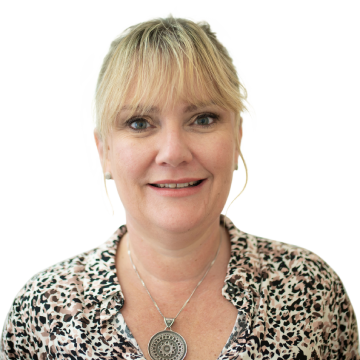
Carol Willis - Diabetes Clinic Facilitator
If you couldn't find what you were looking for today, feel free to give us a call at 0800 048 3330 and ask Carol and her team.
Alternatively, just fill in this form and someone will get in touch with you promptly.
By using this form, you are consenting to the storage and handling of the data contained in the form by our team.